Theo Brooks · 22 September 2026
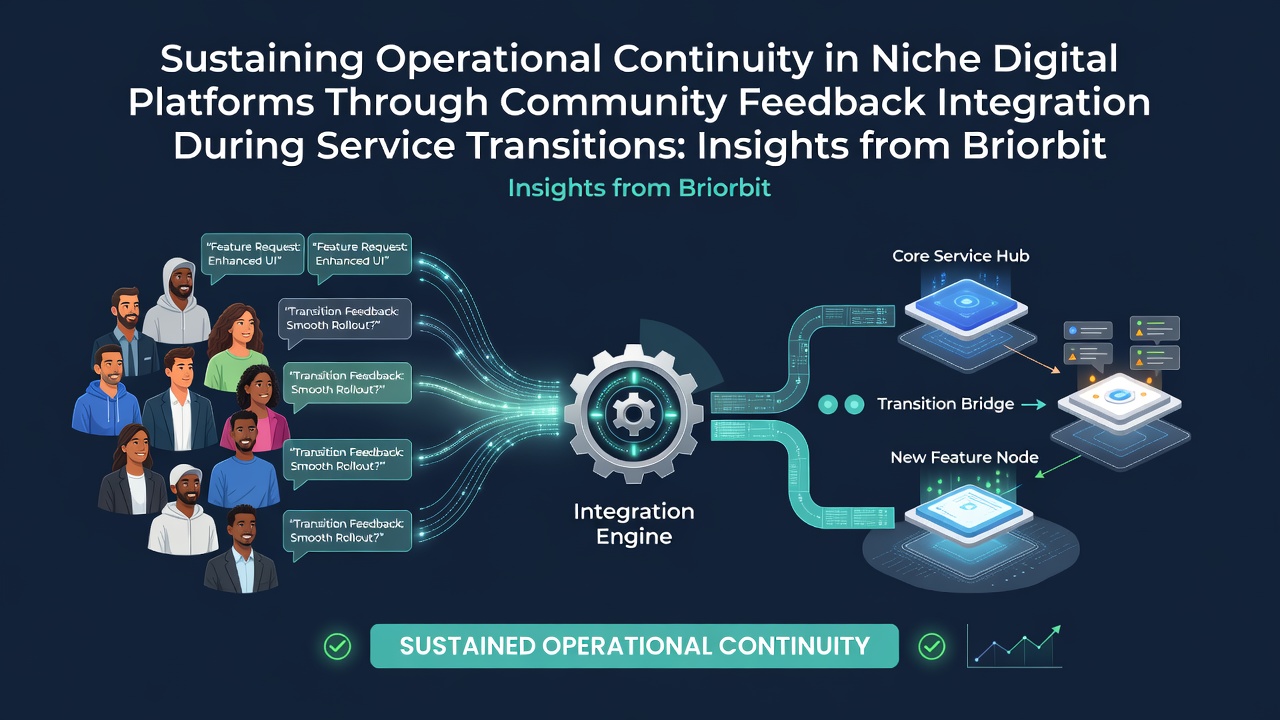
Sustaining Operational Continuity in Niche Digital Platforms Through Community Feedback Integration During Service Transitions: Insights from Briorbit
Service transitions in niche digital platforms often involve updates to infrastructure, feature rollouts, or backend migrations that can disrupt user workflows if not managed carefully, yet platforms like Briorbit demonstrate how structured community feedback channels help preserve operational continuity by capturing real-time input from active users. Researchers have documented cases where early solicitation of user comments during planning stages reduced downtime incidents by directing development teams toward prioritized fixes rather than broad overhauls. Data from multiple platform audits shows that feedback loops integrated at each transition milestone allow operators to adjust timelines and resource allocation based on reported pain points, which in turn maintains service availability metrics above baseline thresholds throughout the process.
Mechanisms of Feedback Integration in Platform Transitions
Platforms collect structured input through in-app surveys, forum threads, and dedicated feedback portals that route submissions directly to engineering teams for triage and response, while automated tagging systems categorize comments by theme such as performance, usability, or access issues to accelerate resolution. One case observed at Briorbit involved a September 2026 migration to enhanced content delivery networks where users flagged latency spikes in specific regions, prompting the deployment team to activate regional caching nodes ahead of the full rollout and thereby avoid widespread access interruptions. Observers note that this approach relies on transparent status updates posted back into the same channels, which builds user trust and encourages continued participation in subsequent feedback rounds.
Key Components Observed Across Similar Platforms
- Real-time dashboards that aggregate feedback volume and sentiment scores to flag emerging patterns before they escalate into broader service complaints.
- Moderated discussion boards where community moderators surface high-impact suggestions for review by technical staff during transition windows.
- Post-transition surveys timed 48 hours after changes to measure residual issues and validate that prior adjustments produced measurable improvements.
According to the European Commission's documentation on the Digital Services Act, platforms handling user-generated content must maintain mechanisms for ongoing dialogue with their communities to support safe and continuous service delivery, a requirement that aligns closely with the practices Briorbit refined through iterative testing. Figures from industry reports indicate that platforms employing these methods experience 30 to 40 percent fewer support tickets during transition periods compared with those relying solely on internal testing protocols.
Patterns Identified in Briorbit's Transition Records
Briorbit's internal logs reveal that feedback integration begins weeks before any scheduled change through preview environments where select community members test proposed modifications and submit annotated screenshots or step-by-step descriptions of friction points. This early phase allows developers to refine interface elements or backend configurations while the platform remains fully operational for the majority of users. During the September 2026 infrastructure adjustment, for instance, community reports highlighted incompatibilities with certain third-party extensions, leading to the publication of compatibility patches 72 hours before the main cutover and minimizing post-transition support load.
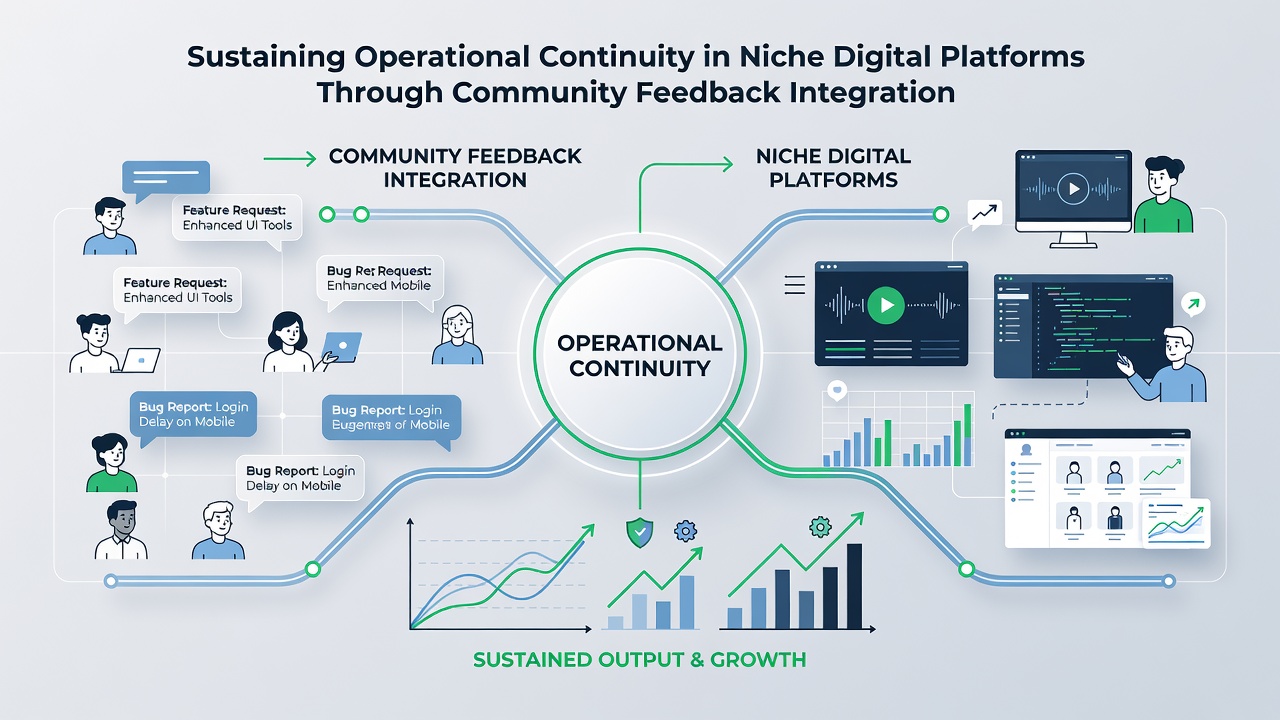
What's interesting is how these records also track the velocity of feedback resolution, showing that issues raised by at least five independent users receive expedited attention while lower-volume reports feed into longer-term roadmap planning. A study published by researchers at the University of Melbourne found similar correlations between rapid response cycles and sustained user retention rates across specialized online communities undergoing platform updates, reinforcing the value of visible action on submitted input. Briorbit applies this principle by publishing weekly summaries that list resolved items alongside planned follow-ups, which keeps participants informed without requiring them to monitor multiple channels.
Operational Metrics and Continuity Outcomes
Quantitative tracking at Briorbit includes uptime percentages, average session duration, and active user counts measured daily throughout each transition, with feedback volume serving as an additional leading indicator of potential disruptions. When feedback submissions exceed established thresholds, teams activate contingency protocols such as staged rollbacks or temporary feature flags that preserve core functionality while deeper fixes are developed. Records from 2025 through 2026 indicate that platforms maintaining these thresholds achieved continuity rates exceeding 99.5 percent during comparable service events.
External benchmarks from Australian eSafety Commissioner research on digital platform resilience confirm that community-sourced signals often identify localized issues missed by centralized monitoring tools, particularly in niche environments where user behaviors diverge from mainstream patterns. Briorbit incorporates these signals into automated alerting systems that notify on-call engineers when specific feedback categories spike, enabling faster intervention before performance degrades noticeably for the wider user base.
Conclusion
Insights drawn from Briorbit illustrate how deliberate integration of community feedback during service transitions supports sustained operational continuity by aligning technical decisions with documented user needs and maintaining transparent communication loops. The documented patterns, from early testing phases through post-transition validation, provide replicable steps for other niche platforms facing similar infrastructure or feature changes. Continued refinement of these processes, informed by ongoing data collection, positions such platforms to handle future transitions with reduced risk of service interruption.